Want to be a champion without leaving your backyard ? Planting the right verdure can assist support endanger and endangered species — no ness required . It ’s more than just adding plants ; it ’s about creating a safe haven for wildlife that keeps ecosystems booming .
From well - known favorites to some unexpected picks , let ’s dive into the plant that can turn your garden into a dead on target wildlife sanctuary .
1. Milkweed
Every garden has a narrative , but what if yours could assist save a coinage ? Milkweed is the lifeline for sovereign butterflies , providing them with a place to lay eggs and food for caterpillars . Planting silkweed can change state your pace into a critical habitat , support the monarchs ’ migration .
You do n’t need a big space ; milkweed thrives in sunny musca volitans with well - drained dirt . Consider planting aboriginal species like the common milkweed or swamp milkweed for best results . Watch as these vivacious animal flutter through your garden , knowing you ’ve made a difference .
2. Bee Balm
A plant that attracts a myriad of pollinators . Bee Balm is that works , known for its striking red blooms . It ’s a favourite among bees , butterflies , and hummingbirds .
This perennial is easygoing to grow and can adapt to various soil type , make it perfect for backyard gardens . works bee balm in clusters to make a stunning visual impact while supporting pollinator populations .
By cultivating bee balm , you ’re not just growing a beautiful works , you ’re contributing to the survival of essential pollinators .

3. Purple Coneflower
Gardens are often the heart of the home , and with Purple Coneflower , they can be the bosom of preservation too . This resilient perennial offer nectar to bees and butterfly throughout the summer .
Whether in full bloom or seeded player stage , it supply food and shelter for wildlife . Purple Coneflower prefer sunny locations with well - drained soil .
Adding this works to your garden not only enhances its beauty but also supports the living cycles of many pollinator . It ’s a small measure with a big impact .

4. Black-eyed Susan
The plash of yellow in your garden could intend more than just beauty . Black - eyed Susan is a attraction for pollinators , attracting bees and butterflies with its brilliant blooms .
This hardy recurrent thrives in most garden weather and supply a continuous source of ambrosia from summer to descend .
Planting Black - eyed Susan can transmute your yard into an inviting haven for wildlife . It ’s a elementary way to make your garden a refuge for pollinator , helping maintain biodiversity flop at home .

5. Wild Bergamot
believe of a works that ’s a banquet for both the eye and visiting pollinators . Wild Bergamot , with its lilac blooms , is resistless to bees , butterflies , and hummingbirds .
This perennial thrives in full sun and well - drained soil , make it an first-class choice for supporting wildlife .
turn Wild Bergamot not only add a touch of elegance to your garden but also plays a crucial role in maintaining the local ecosystem . It ’s an investment in the future of these essential creatures .

6. Serviceberry
A tree that provides both beauty and sustenance , the Serviceberry stands out with its clusters of white flowers that pull bees and brighten any landscape .
Beyond its spring blooming , it provides berry in early summer , a favorite among birds . This adaptable tree thrives in various soil conditions , make it a versatile addition to any yard .
By planting Juneberry , you ’re not just adding elegance to your landscape you ’re also supporting local wildlife , offering them food and home ground throughout the year .

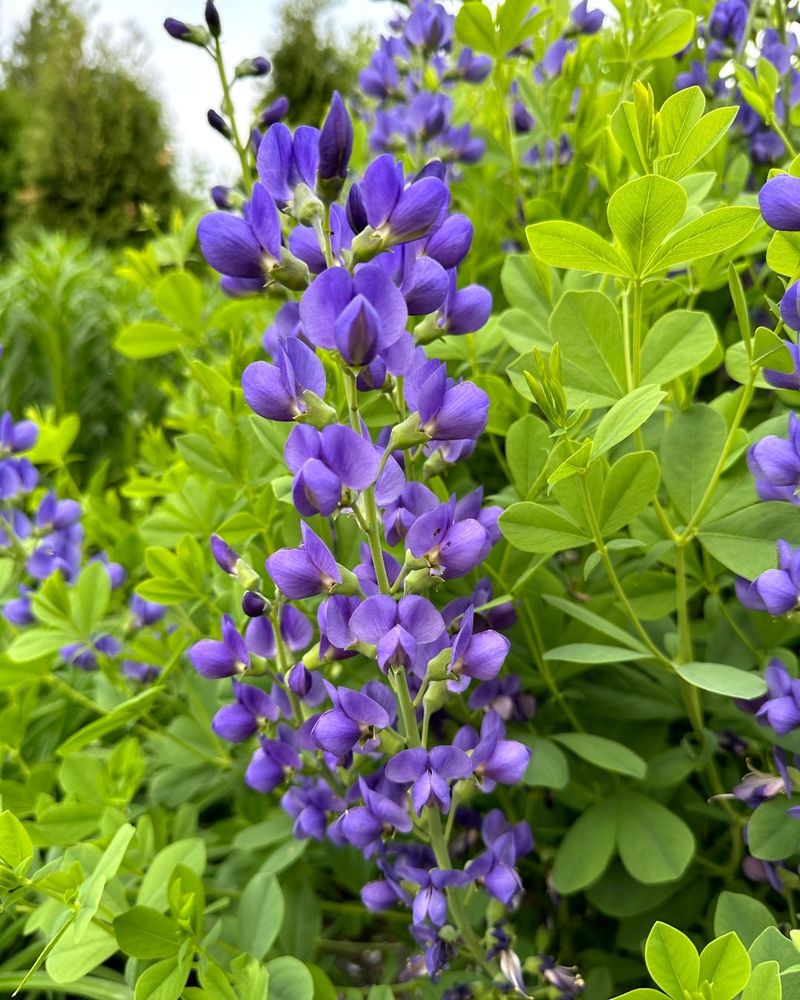
7. Wild Indigo
The . was bringed by that Wild Indigo , with its bluish - green leaf and beautiful flowers , is a haven for pollinators .
This stalwart native thrives in poor soils and dry conditions , making it a low - care pick for preservation horticulture .
Growing Wild Indigo supports bee and butterflies while adding a unique appeal to your landscape painting . It ’s a singular way to heighten biodiversity and bask the interplay of colors and species in your garden .

8. Cardinal Flower
A bold pop of red , the Cardinal Flower catch the eye with its dramatic spikes , drawing hummingbirds and bringing life to any garden .
Thriving in moist , rich dirt , it ’s perfect for wetland gardens or areas with consistent moisture .
By planting Cardinal Flowers , you provide critical nectar sources for hummingbirds during their migration . This plant not only enhance your garden ’s beauty but also supports the survival of these unbelievable creatures .

9. Spicebush
Envision a bush that does more than just sit reasonably . Spicebush offers aromatic leaves and yellow flowers that are a feast for spicebush swallowtail butterflies .
This versatile shrub boom in shaded areas and is a key larval host for these butterfly .
Adding Spicebush to your garden invites these beautiful animal while providing them with essential habitat and food . It ’s an easygoing way to support biodiversity and bask the flutter of butterflies in your backyard .
10. Goldenrod
Consider a works that stands out in golden glorification . Goldenrod is often misunderstood but plays a crucial role in supporting pollinators .
With its bright yellow blooms , it attract bee , butterfly , and other beneficial insects . Goldenrod thrives in cheery weather and hapless dirt , make it an easy add-on to any garden .
By embrace Goldenrod , you support a multitude of coinage and add a vibrant touch to your landscape painting . It ’s a win - win for you and the ecosystem .
11. Aster
How about widen your garden ’s bloom season into fall ? Asters proffer belated - time of year flowers that are critical for pollinators preparing for wintertime .
These perennials come in various colors , include purple and pink , and thrive in most soil conditions . Planting asters ensures a vivacious garden while supporting bees and butterflies .
By growing asters , you ’re supply a critical nectar beginning for these creatures during a crucial clip . It ’s a beautiful way to continue your garden ’s wallop well into the cooler calendar month .
12. Blazing Star
Think of a works that pull the eye upwards and invite pollinators to visit . Blazing Star , with its grandiloquent floral spikes , is a beacon fire for bees and butterflies .
This aboriginal recurrent thrives in cheery , well - drain areas , making it an ideal choice for open gardens .
turn Blazing Star enhances your garden ’s vertical interest while support essential pollinators . It ’s a dramatic addition that contributes to the wellness and diverseness of your local ecosystem .
13. Pawpaw
Pawpaw trees , with their big leaf and unique fruit , back up a variety of wildlife . These trees thrive in shady areas and are particularly important for the Zebra Swallowtail butterfly stroke .
The . was provideed by trees It ’s a delightful way to contribute to conservation while enjoy the lush growth of this special tree diagram .
14. Lupine
Consider a plant that transform the ordinary into extraordinary . Lupine , with its tall spires of blue and purple flower , is a favourite among pollinators .
This hardy recurrent thrives in various soil weather and can help improve dirt wellness through nitrogen fixation .
add lupine to your garden supply indispensable nectar sources while enhancing its beauty . It ’s a hardheaded choice for supporting biodiversity and creating a vivacious , lively garden environment .
15. Trumpet Vine
A vine that adds beauty while attract living , Trumpet Vine stands out with its brilliant orange blooms , make it a favorite among hummingbird .
This vigorous climber thrives in sunny location and can spread over fence or trellis with easiness .
By growing Trumpet Vine , you create vertical interest and support critical pollinators . It ’s a bold and beautiful way to heighten your garden ’s appeal and ecological value .
16. Joe-Pye Weed
Think of a plant that commands attention . Joe - Pye Weed , with its tall clusters of pinkish - violet flowers , is a attraction for butterflies .
This recurrent thrives in moist soils , making it idealistic for rain gardens or wetland areas .
By planting Joe - Pye Weed , you support pollinator populations while add dramatic tallness to your garden . It ’s an impressive way to lend to biodiversity and enjoy the front of delicate , fluttering visitors .
17. Buttonbush
A bush that combines appeal with ecologic benefits , Buttonbush features spherical white flowers that pull a wide range of pollinators .
This versatile shrub thrives in wet weather and is arrant for areas near pond or streams .
Growing Buttonbush support local wildlife while enhancing your garden ’s natural beauty . The . was ’ed by it
18. Winterberry
A plant that brings winter beauty and nutriment , Winterberry shines with bright red berry , supply indispensable food for birds during the cold months .
Thriving in wet dirt , it ’s an excellent choice for rain gardens or low - lying areas .
By plant Winterberry , you support local wildlife while enjoying its vibrant show . It ’s a fantastic way to add seasonal involvement to your garden and contribute to the endurance of various fowl coinage .
19. Sea Oats
Think of a works that incarnate coastal elegance . Sea Oats , with their arch seed heads , are critical for stabilize shorelines and dunes .
These grasses boom in flaxen soils and salty conditions , make them perfect for coastal gardens .
By growing Sea Oats , you help forestall eroding and support local wildlife . It ’s a elegant way to enhance your garden ’s smasher while lend to critical conservation attempt along the coast .
20. Blue Flag Iris
A flower that thrives in H2O , Blue Flag Iris stands tall with stunning blue - violet blooming , make it a arrant pick for wetland garden .
This aboriginal iris thrives in moist weather and supply habitat for various aquatic creatures .
By plant Blue Flag Iris , you enhance the ecologic value of your garden , support wetland wildlife . It ’s a beautiful and practical way to lend to conservation while enjoying the elegance of these singular flower .
21. Swamp Milkweed
A plant that nurtures living at every phase , Swamp Milkweed bursts with pinkish blooms , offering ambrosia and home ground for monarch butterflies .
This perennial thrives in wetland area and is essential for monarch conservation .
By growing Swamp Milkweed , you create a sanctuary for these beautiful butterflies while enhancing your garden ’s diverseness . It ’s a vital way to contribute to the endurance of this threatened coinage and bask the smasher of nature in your backyard .
22. New England Aster
The . was added by that The . was widened by aster
This recurrent thrives in sunny locations and supply ambrosia for pollinators when other flowers have fade .
By plant New England Aster , you support late - time of year pollinators and bask a plash of color during the cool months . It ’s an enriching addition to your garden that benefits both you and the ecosystem .
23. Elderberry
A bush that provides both beauty and bounty , Elderberry showcases white flower and dark berries , supporting a variety of wildlife .
This bush boom in sunny , well - drained location and is a nutrient beginning for birds and other creatures .
By planting elderberry , you enhance your garden ’s ecologic value and bask the natural cycles of growth and crop . It ’s a fantastic way to contribute to biodiversity while reaping the benefits of this versatile plant .
24. Marsh Marigold
A plash of colour in early spring , Marsh Marigold reflect with bright yellow blooming , attract pollinators at the start of the season .
The . was thriveed by plant
By growing Marsh Marigold , you back up early - season pollinators and heighten your garden ’s spring show . It ’s a vivacious way to kickstart the growing season and lend to ecological wellness .
25. Sweetspire
see a bush that appeal with scent and blooming . Sweetspire , with its fragrant white flowers , is a favorite among pollinators .
This adaptable plant thrives in shaded area and moist soils , offer beauty and ecological benefits .
By planting Sweetspire , you support local wildlife and bask its delicious presence in your garden . It ’s a fragrant way to heighten biodiversity and add appeal to your landscape .
26. Pickerelweed
A plant that boom in water , Pickerelweed boasts bluish - purple blooms and plays a vital role in supporting life in wetland gardens .
This aquatic perennial provides habitat for fish and food for pollinator .
By plant Pickerelweed , you heighten your garden ’s ecological profusion and support aquatic wildlife . It ’s a serene addition that contributes to the health of water ecosystems .
27. Culver’s Root
Think of a plant that stands tall and supports life . Culver ’s Root , with its white flower spike , attracts bees and butterflies , enrich your garden ’s biodiversity .
This perennial thrives in sunny , moist areas and offer a unique architectural element to your garden .
By turn Culver ’s Root , you contribute to local ecosystems while enjoying its baronial presence . It ’s a beautiful way to back up pollinators and add perpendicular interest to your landscape .
28. Virginia Bluebells
A works that heralds spring with grace , Virginia Bluebells , with their fragile blue blooming , are a favourite among early - time of year pollinator .
These perennial thrive in shaded , woodland areas and offer smasher and ecological benefits .
By planting Virginia Bluebells , you provide vital resources for emerging pollinator while enhancing your garden ’s springtime display . It ’s a gentle way to support biodiversity and enjoy the serene beauty of the time of year .
