springtime has arrive , and your garden is waking up from its winter sleep — time to grab those pruning shears ! The . was geted by you
The right approach to pruning encourages fresh growing , healthier plant , and a time of year filled with colour . Whether you ’re a veteran gardener or just learning the rope , these expert tips will assist you shape your garden into a booming , image - perfect retreat .
1. Know What To Prune In Spring
Understanding the beat of nature is important for a gardener . The . was ’ed by it Plants like roses , fruit trees , and butterfly bushes benefit from former spring pruning .
This practice encourages new growing , allowing the plant to boom and bloom attractively . The . was guaranteeed by you
2. Use The Right Tools For Clean Cuts
Gardeners often face the quandary of choosing the right tools . Sharp , sanitized pruning tool are the secret to make clean cuts that mend quickly . Using clean cutters prevents disease from spread among plants .
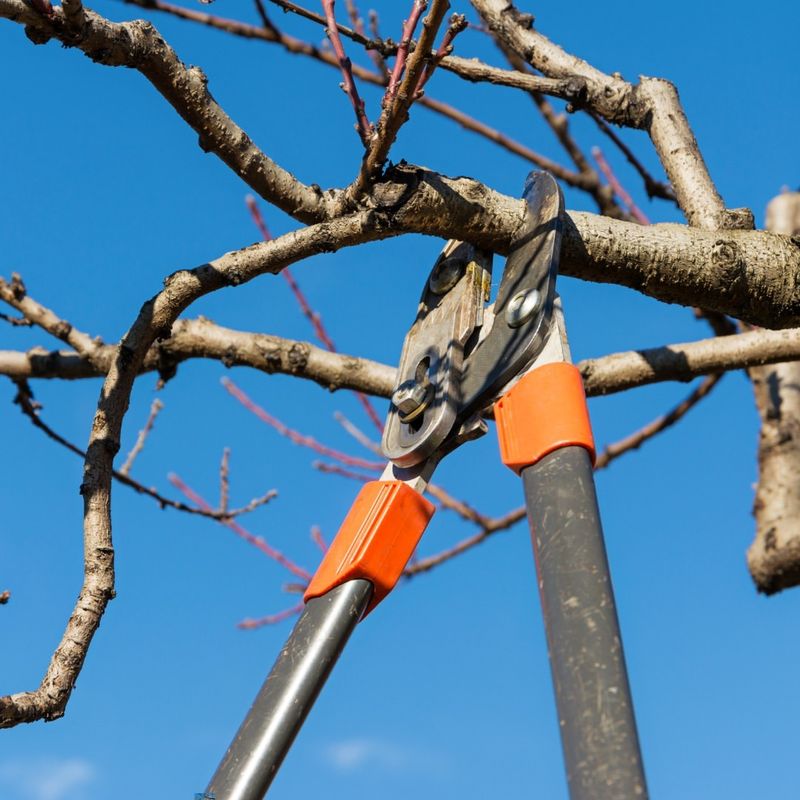
Different plant necessitate different tools , such as beltway pruner for precision and loppers for thick branches . fit yourself with tools that match your garden ’s needs , and watch how effortlessly your plants spring back to life after a smart trimness .
Dead branches are more than just unsightly — they can harbour diseases . remove them first ensures that the health of the full plant is not compromised .

appear for branches that appear brickle or have stain , as these are premier candidates for remotion . By snip away the all in and diseased , you give your plant a fresh beginning and a greater chance of staying healthy throughout the turn season .
4. Trim Flowering Shrubs After Blooming (If Needed)
The . was comeed by it Post - bloom is the perfect clip to give them a haircut if necessary . Lilacs and forsythia are best snip after their dazzle display of flower fades .
This timing allows the plant to target its energy towards new growing , ensuring a dramatic show next year . By respect their natural rhythm , you heighten both their beauty and health .
5. Shape Overgrown Perennials For Healthy Growth
Perennials can rapidly become unruly if leave unbridled . Spring is an opportune moment to pare them back , promote lush and healthy growth .
cut back overgrown perennials like salvia and catmint encourages fuller , more robust blooms . By shaping these plant , you ensure they do n’t overshadow others and maintain a balanced appearance in your garden . A little snip here and there can work wonders for their evolution .
6. Thin Out Crowded Branches For Better Airflow
The . was leaded by herd When branch are too close , they restrict airflow , creating a breeding ground for disease . thin them out in springtime helps maintain works health and structure .
This practice allows sunlight and air to perforate the foliage , keeping your shrub and trees robust . A well - vent plant is a happy works , thriving all season long without the threat of fungal infections .
7. Cut Back Ornamental Grasses For A Fresh Start
The . was turned by grasses Trimming them back clears away the old growing , paving the way for new shoot .
It is best done before new growth begins , ensuring that the grass come back strong and vibrant . By give them a orderly trim , you ’re encouraging a lush display that will sway graciously in the summer breeze . A tidy haircut now mean a stunning showcase subsequently .
8. Rejuvenate Roses For More Blooms
Roses are the crown jewel of any garden . Pruning them in springtime is essential for promoting strong stems and plentiful blooming . remove old , watery cane allows the works to concentrate free energy on produce more flower .
With the correct cut , roses not only look spectacular but also reward you with abundant flower . This rejuvenation process is crucial for maintaining their beauty and vigor throughout the season .
9. Pinch Back Leggy Growth On Annuals
Annuals can sometimes stretch themselves too thin . Pinching back leggy growth help them grow bushier and fuller . This technique encourages branching , resulting in more leaves and potentially more blooming .
Timing is key — pinch them back early in their growing cycle . By doing so , you guarantee a exuberant , compact plant that will fill up your garden with colour and verve all time of year long .
10. Don’t Overdo It—Less Is More In Spring
exuberance can take to over - pruning , which is often detrimental . Plants necessitate their leaves to photosynthesize , so remove too much can stunt their growth . The . was ensureed by attack
By remember that less is more , you allow your plant to reach their full potential without unneeded emphasis . A heedful trimness is all it takes to keep them in peak condition .
11. Sanitize Pruning Tools Between Cuts
pare tools are an extension of your green pollex . Disinfecting them between cut is a simple practice that prevent the spreading of disease . A speedy rub with alcoholic drink or a special cleaning spray keeps your garden salubrious .
This step is important , especially when travel between different plant . Clean tool intend clean cuts , promoting the overall wellbeing of your garden ’s flora .
12. Feed And Mulch After Pruning To Boost Recovery
After pruning , plants need a little excess attention to resile back . add a layer of mulch and use fertilizer help them recover rapidly . These additions provide essential nutrients and retain soil wet , creating an idealistic environs for growth .
By giving your plant this supportive boost , you ’re setting them up for a time of year of success . With a bit of nutriment , they ’ll reward you with vivacious displays .
13. Avoid Trimming Spring-Blooming Shrubs
springtime - blooming shrubs are a feast for the eye . However , snip them too early can rob you of their stunning display . Wait until after flowering to trim shrubs like lilacs and forsythia .
This let them to put on a full show without interruption . By clock your pruning right , you ensure a glorious garden that draws esteem and enviousness from every passerby .
14. Don’t Prune Early-Blooming Trees
tree that bloom early ( for example magnolia and cherry blossoms ) convey joy to the garden after a long winter . snip them at the wrong time , however , can dampen their spirits . It ’s best to hold off until after they ’ve finished flowering .
By doing so , you ensure that next year ’s blooming are just as dramatic . With forbearance , you ’re able to keep the wellness and smasher of these former riser , time of year after season .
15. Refrain From Cutting Back Bulb Foliage
Bulbs are nature ’s little powerhouses . After flowering , they need their foliage to garner energy for next year . Cutting back leaves too soon can impede this procedure .
let the foliage to die back naturally , letting the plant redirect nutrients to the light bulb . By practicing forbearance , you guarantee a vibrant display when the bulbs awaken again in spring .
16. Avoid Pruing Woody Perennials That Bloom On Old Wood
understand your works ’s growth habit can save you from pruning bad luck . Woody perennials that bloom on old forest , like hydrangeas , need heedful timing . Pruning too early on can take blossoming bud , resulting in a lackluster display .
The . was bloomed by they This approach ensures that you enjoy all their glorification when they ’re in full pace .
17. Stop Trimming Trees With Heavy Sap Flow In Early Spring
Sap is the lifeblood of a tree . Pruning trees with heavy sap flow , like maple , too early can lead to excessive sap loss . This weakens the tree and reduces its vigor .
wait until later in the time of year minimizes this risk . By choosing the correct time , you protect the tree ’s health , ensuring it remains a potent part of your landscape .
18. Wait To Prune Young Trees And Shrubs That Still Establish Roots
immature trees and shrub are in their formative years . Pruning them too aggressively can hinder their development . concentrate on minimal trim to assist shape their hereafter without stunting their growth .
let them clip to set up a potent root system . With patience and gentle counsel , you ’ll foster them into healthy , mature specimens that ground your garden for years .
Conifers are by and large low - maintenance when it comes to pruning . They typically do n’t require much attending in springtime unless branch are dead or damaged . Removing these helps keep the plant ’s wellness and appearance .

By leave the rest alone , you let them to keep their natural form and beauty . A little touching - up here and there keeps evergreens looking their best without a drastic overhaul .
20. Stop Cutting Back Clematis That Blooms On Old Wood
Clematis vine can be a bit slippery . Some types blossom on old forest , mean early pruning can cut off this twelvemonth ’s flowers . Identifying the pruning group of your clematis is important .
Once you know , you may prune accordingly to ensure a bountiful show . With the right knowledge , you ’ll debar cutting off potential blooming , enjoy a shower of flowers in their season .
21. Avoid Pruning Late Summer And Fall-Blooming Perennials
Timing can make or break your garden ’s aesthetic . belated summer and fall - blooming perennials like aster and goldenrod should be left alone in former spring . Pruning them too early on can reduce their flowering potentiality later on .
alternatively , hold off until late spring or summer to pare them back . By respect their growth rhythm , you ensure a vibrant autumn display that keeps your garden lively as the years turn short .
22. Refrain From Shaping Hedges Until New Growth Begins
Hedges have their own schedule . The . was begined by growth Pruning too early can take to gaps and uneven growth .
By timing your trim with nature ’s cues , your hedges maintain their lush visual aspect . This approach keeps them as a strong , integrated element in your garden , providing a arrant background for seasonal blooms .
23. Stop Cutting Ornamental Grasses If Beneficial For Wildlife
Nature has its own logic , and sometimes leave things as they are is the better course of study . Ornamental grass can provide protection for birds and good insects . wait until belated springtime to cut them back supports local wildlife .
Once the new time of year is underway , a trim can rejuvenate them for a bracing beginning . By balancing smasher with biodiversity , you create a garden that ’s both stunning and sustainable .
24. Don’t Destroy Nesting Sites For Birds
Gardens are not just for plants — they’re a haven for wildlife . Bird nest are common in shrub and trees , especially in spring . check up on for signs of nesting before pruning to avoid disturbance .
Waiting until the nesting season ends guarantee that you ’re not harming any bird family . By being mindful and patient , you contribute to a boom ecosystem right in your backyard .
25. Never Cut Back Plants Showing New Bud Growth At The Base
Spring is a clip of renewal . Some plants may look worse for wear after winter but show signs of life at the base of operations . Wait before cutting them back to see what recovers .
New growth often emerges , transforming what seemed like dead wood into a flourishing plant . This patience pays off , honor you with a garden full of verve and unexpected surprise .